Cucina · Mare · Racconto · Ricette
Spaghetti with Japanese verace clams
A journey inside a shell.
16 September 2026
68 readers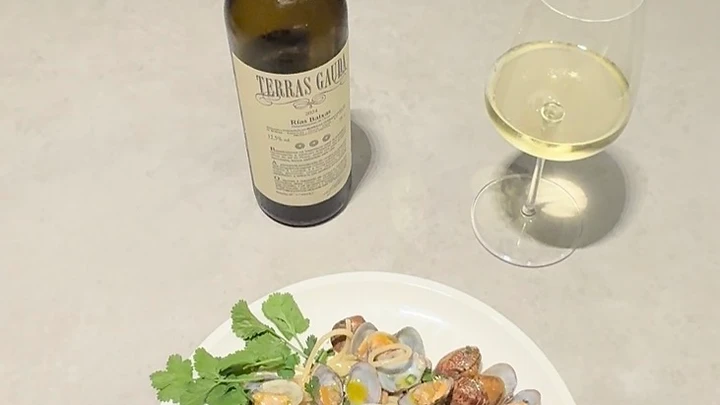
There are dishes that begin with a sound. Shells in the pan, the oil warming up, the water boiling. Spaghetti alle vongole has this familiar voice. Yet, within a known gesture, there can lie a distant history.
The clam called Japanese is the Ruditapes philippinarum, also known as the Philippine clam. Native to Asian waters, it was introduced to the Venice lagoon in 1983 for aquaculture. The name thus tells of the origin of the species, not necessarily the provenance of the clams we bring to the table.
msn.ve.it" target="_blank" rel="noopener noreferrer">Museo di Storia Naturale di Venezia. A curious detail distinguishes it from the native Ruditapes decussatus: the two siphons, small tubes through which water passes, are joined for a good part of their length; in our native species, they are separated.
A subtle difference that requires looking closely.
it" target="_blank" rel="noopener noreferrer">Museo di Storia Naturale di Venezia. I like to think that cooking begins precisely with this attention. Knowing what we have in our hands before deciding what to add. In the dish, I look for few elements: the spaghetti, the clam, the sauce that binds them.
The oil accompanies, the garlic leaves a trace. The cooking requires presence: a moment of distraction is enough for the flesh to lose its tenderness, for the sauce to dry out too much. Simplicity requires care. Then the fork arrives.
It picks up the pasta, encounters a shell, slows down. The empty shells accumulate on the edge, marking the time of the meal. For once, I let it pass just like this.
Have you read today's daily?Read it hereFirma del Cuoco
Chef GodeauSartoria Gastronomica
You may also like

Ricette
Pasta Aglio, Olio, Peperoncino e Prezzemolo — Ancient Simplicity
From the charcoal burners' fire to the Chef's table: a humble recipe that speaks of the south, of patience, and the art of never draining pasta
18 Oct 2026


Viaggi
In Paris, Japan begins with a bowl
A stroll around rue Sainte-Anne, amidst ramen, pastry shops, and boutiques: seven addresses to change your dining habits without changing continents.
6 Oct 2026

Ricette
Abyss
Spaghetti with sea urchin, raw scampi, crustacean essence, lemon, and extra virgin olive oil pearls
18 Sep 2026